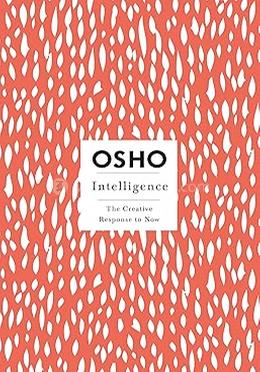
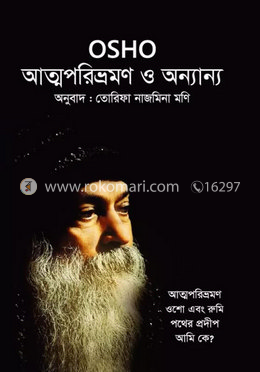
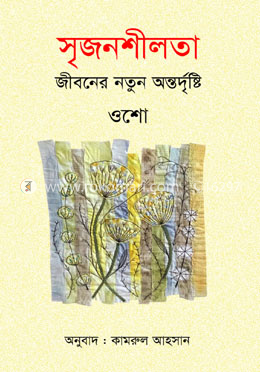
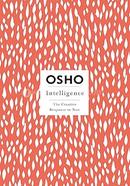
In Intelligence: The Creative Response to Now, one of the twentieth century’s greatest spiritual teachers reveals a different approach to thinking about our brainpower. In Intelligence, Osho challenges the common conception that the best way to promote intelligence is to train the intellect. Intellect is logical, he says; intelligence is paradoxical. Intellect takes things apart to see how they work; intelligence puts things together to see the functioning of the whole. Osho posits that when our education systems put too much emphasis on developing intellect, an imbalance is created and both the individual and the society suffer. It is only through intelligence that we can respond creatively to the challenges of a changing world.By exploring the distinction between intellect and intelligence, Intelligence encourages readers to be more aware of how they approach problems―logical, emotional, and practical―and how they solve them.Osho challenges readers to examine and break free of the conditioned belief systems and prejudices that limit their capacity to enjoy life in all its richness. He has been described by the Sunday Times of London as one of the “1000 Makers of the 20th Century” and by Sunday Mid-Day (India) as one of the ten people―along with Gandhi, Nehru, and Buddha―who have changed the destiny of India. Since his death in 1990, the influence of his teachings continues to expand, reaching seekers of all ages in virtually every country of the world.

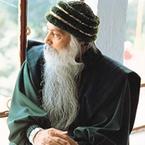
Osho, known for his revolutionary contribution to the science of inner transformation, continues to inspire millions of people worldwide in their search to define a new approach to individual spirituality that is self-directed and responsive to the everyday challenges of contemporary life. The Sunday Times of London named him one of the '1,000 Makers of the Twentieth Century,' and novelist Tom Robbins called him 'the most dangerous man since Jesus Christ.' For more information about Osho and his work, please visit osho.com. Osho's teachings defy categorization, covering everything from the individual quest for meaning to the most urgent social and political issues facing individuals and society today. His unique "Osho Active Meditations" are designed to first release the accumulated stresses of body and mind, so that it is easier to experience the thought-free and relaxed state of meditation. (Meditation -The First and Last Freedom, by Osho) About his own work Osho has said that he is helping to create the conditions for the birth of a new kind of human being. He has often characterized this new human being as "Zorba the Buddha" -- capable both of enjoying the earthy pleasures of a Zorba the Greek and the silent serenity of a Gautam Buddha. Running like a thread through all aspects of Osho's work is a vision that encompasses both the timeless wisdom of the East and the highest potential of Western science and technology. Osho has been described by the Sunday Times in London as one of the "1000 Makers of the 20th Century" and by American author Tom Robbins as "the most dangerous man since Jesus Christ."