 1 user want this item!

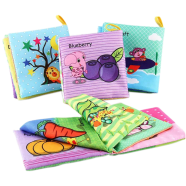


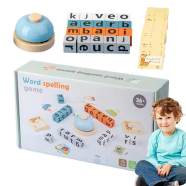
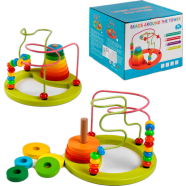
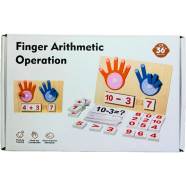
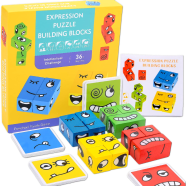
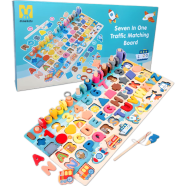
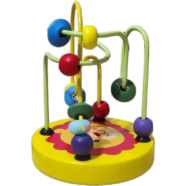
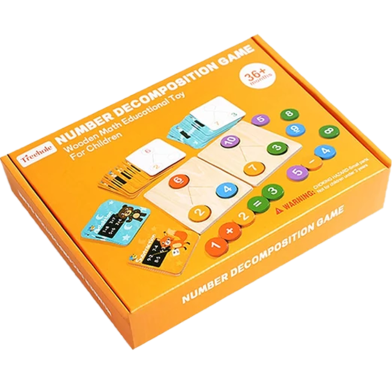
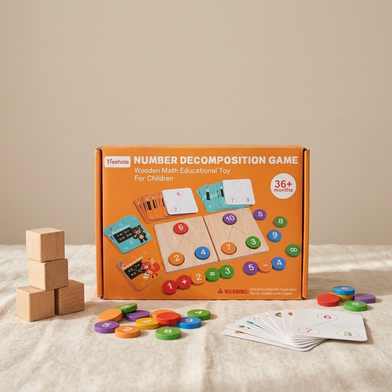
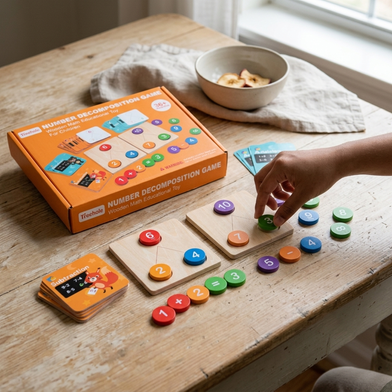
The Number Decomposition Game - Montessori Math Toy uses a wooden board to solve addition and subtraction problems. With a 30.5x24.5x4.5 cm frame, the set applies the part-part-whole method for tactile learning. Its 750g weight keeps the base steady on desks during use in humid BD environments.
Key Features
- Part-Part-Whole Board: Double-sided cards and 10 beads for tactile math. Physical movement clarifies abstract arithmetic equations.
- CE-Certified Wood: Non-toxic water-based paint on smooth-edged wooden surfaces. Smooth edges stop skin irritation during repetitive handling.
- Numerical Components: Includes 10 rainbow beads, 1 pen, and 1 dice. Visual tracking identifies quantities without counting every time.
- Reusable Surface: Laminated double-sided cards for use with dry-erase pens. This hardware supports repeated practice without paper waste.
Frequently Asked Questions
How to teach number decomposition to preschoolers?
Divide the 10 rainbow beads into two distinct sections on the wooden board. This physical separation demonstrates how one whole number splits into two smaller parts.
What is the part-part-whole method in math?
It shows that numbers consist of smaller components. The board's layout forces a spatial understanding of addition and subtraction.