Hotline: 16297 (9.00 AM to 11.00 PM)


 Hello, Sign in
 Cart
Cart 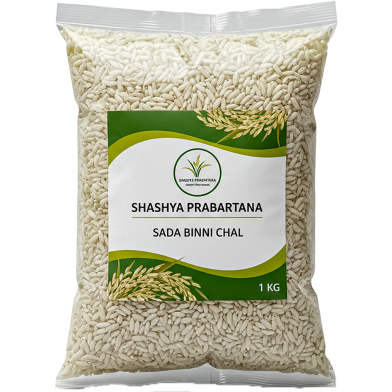


.svg)

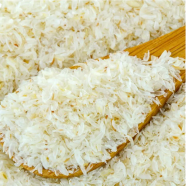
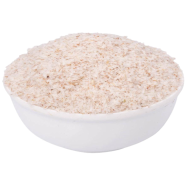
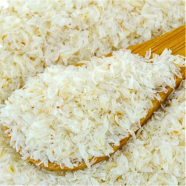
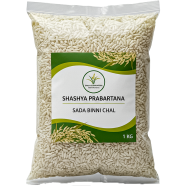
Shashya Prabartana Sada Binni Chal utilizes Jum cultivation methods from the Hill Tracts for a natural sticky texture. This unpolished white binni rice retains its bran and germ, increasing antioxidant density over standard white rice. High amylopectin levels create the adhesive consistency required for traditional pitha.
Key Features
- Sticky Texture: High amylopectin content creates a glue-like consistency. Holds shape for binni pitha or payesh without falling apart.
- Jum Cultivation: Farmers harvest this variety directly from hill tracts using traditional cycles. This method avoids the heavy chemical usage found in plain-land paddy.
- Natural Aroma: Indigenous seed variety produces a distinct scent during the steaming process. Removes the requirement for artificial flavoring in rice-based desserts.
- Unpolished Grain: Natural processing leaves the outer bran and germ layers intact. Contains higher fiber levels than commercially milled white rice.
Frequently Asked Questions
What is Sada Binni Chal?
This indigenous glutinous rice variety originates from the Chittagong Hill Tracts. The grain becomes sticky after cooking due to its specific starch composition.
How to cook Binni rice for payesh?
Soak the grains for 30 minutes before boiling in milk or water. The rice softens quickly while creating the thick, adhesive base needed for puddings.