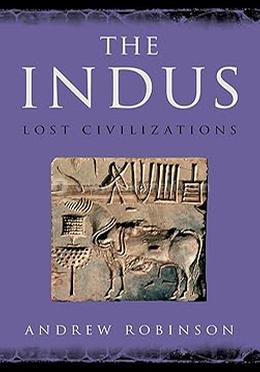
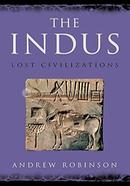
The Indus valley civilization, one of the oldest in Central and South Asia, flourished for half a millennium from about 2600 to 1900 BC, when it mysteriously declined and vanished from view. It remained invisible for almost four thousand years, until its ruins were discovered in the 1920s by British and Indian archaeologists. Today, after almost a century of excavation, it is regarded as the earliest Indian civilization.
More than a thousand Indus settlements covered at least 800,000 square kilometres of what is now Pakistan and India: it was the most extensive urban culture of its age, with a vigorous maritime export trade to the Persian Gulf and cities such as Ur. The two largest Indus cities, Harappa and Mohenjo-daro – a UNESCO World Heritage Site – boasted street planning and house drainage worthy of the twentieth century, including the world’s first toilets, along with complex stone weights, finely drilled gemstone necklaces and an exquisite part-pictographic writing system, which was carved on seal stones and has defied numerous attempts at decipherment. Astonishingly, there is no evidence of armies or warfare. The Indus: Lost Civilizations is an accessible introduction to every significant aspect of an extraordinary and tantalizing ‘lost’ civilization, which apparently combined artistic excellence, technological sophistication and economic vigour with social egalitarianism, political freedom and religious moderation. The book also discusses the vital legacy of the Indus civilization in modern India and Pakistan.
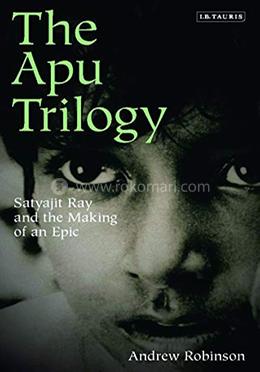
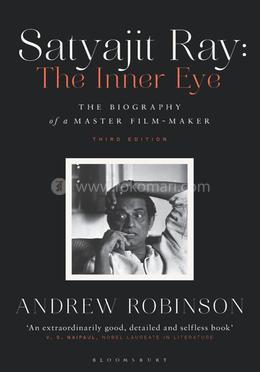
Andrew Robinson has written more than twenty-five books on an unusual range of subjects: science and the history of science; ancient scripts, writing systems and archaeological decipherment; and Indian history and culture. They include six biographies: of the physicist Albert Einstein (A Hundred Years of Relativity) and the polymath Thomas Young (The Last Man Who Knew Everything); of the decipherers Jean-Francois Champollion (Cracking the Egyptian Code) and Michael Ventris (The Man Who Deciphered Linear B); and of the Indian writer Rabindranath Tagore (The Myriad-Minded Man) and the Indian film director Satyajit Ray (The Inner Eye). His most recent books, The Indus: Lost Civilizations, Earth-Shattering Events: Earthquakes, Nations and Civilization, and Einstein on the Run: How Britain Saved the World's Greatest Scientist, combine his interest in archaeology, history, India and science. He also writes on these subjects for leading magazines and newspapers, such as Nature and The Financial Times.