Hotline: 16297 (9.00 AM to 11.00 PM)
 19 user want this item!















Report incorrect information
0 Ratings and 0 Reviews

গ্রামবাংলার রূপান্তর
স্বপন আদনান
Product in stock
৳332
![Ayenaghor [shadhinatara sanksipta itihasa ebam amara dekha sbadhinata ]](https://rokbucket.rokomari.io/ProductNew20190903/130X186/Ayenaghor_shadhinatara_sanksipta_itihasa-Dr_Mohammad_Nazrul_Islam-33d01-432320.jpg)
আয়নাঘর
ড.মুহাম্মাদ নজরুল ইসলাম
Product in stock
৳240

গ্রামীণ সমাজ ও কৃষি কাঠামো সাম্প্রতিক পরিবর্তন
রঞ্জন সাহা পার্থ
Product in stock
৳309

বহুজাতির বাংলাদেশ স্বরূপ অন্বেষণ ও অস্বীকৃতির ইতিহাস
প্রশান্ত ত্রিপুরা
Product in stock
৳258

গুমের জননী
মাহমুদুর রহমান (সাংবাদিক)
Product in stock
৳228

Discovery of Bangladesh
আকবর আলি খান
Product in stock
৳360

মঙ্গার আলেখ্য
মাহবুব রহমান (সাংবাদিক)
৳219

আমার দেশ
আল জিন্নাত ফেরদৌস
৳109

বাংলাদেশ: রাষ্ট্র ও সমাজ (সামাজিক অর্থনীতির স্বরূপ)
ড. অনুপম সেন
Product in stock
৳269
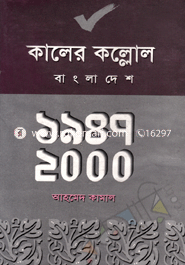
কালের কল্লোল বাংলাদেশ ১৯৪৭ - ২০০০
আহমেদ কামাল
Product in stock
৳309

স্বাধীনতার ৫০ বছর দুর্যোগ ব্যবস্থাপনায় বাংলাদেশের অর্জন
গওহার নঈম ওয়ারা
Product in stock
৳716

লোকায়ত বাংলা
ডক্টর আশরাফ সিদ্দিকী
Product in stock
৳139

'Sharing' Ganges Water
আসিফ নজরুল
Product in stock
৳720

বাংলাদেশ-ভারত সম্পর্ক
ফাহমিদা আক্তার
Product in stock
৳258

বাংলাদেশের গ্রামীণ দারিদ্র্যের রাজনৈতিক অর্থনীতি
কামাল সিদ্দিকী
Product in stock
৳344

Bangladesh Foreign Policy
হারুন উর রশীদ
Product in stock
৳879

গণতন্ত্রের শত্রু-মিত্র: প্রেক্ষিত বাংলাদেশ
ড. তারেক শামসুর রেহমান
Product in stock
৳215

Homesteads of the Barind Landscape
সাজিদ বিন দোজা
Product in stock
৳899

অভিনব সরকার ব্যতিক্রমি নির্বাচন
ড. মুহাম্মদ ইয়াহ্ইয়া আখতার
Product in stock
৳459

উনিশ শতকে বাংলাদেশের সংবাদ সাময়িকপত্র - ১৫তম খন্ড
মুনতাসীর মামুন
Product in stock
৳360

স্বৈরতন্ত্র প্রতিরোধের পথ: রাষ্ট্র সংস্কার ও সংবিধান সংশোধন
নজরুল ইসলাম
Product in stock
৳376

The Jamdani Revolution : Politics, Personalities and Civil Society in Bangladesh 1989-1992
ক্রিশনান স্রিনিভাসান
Product in stock
৳439

বাংলাদেশের বুদ্ধিবৃত্তি : ধর্ম সাম্প্রদায়িকতার সঙ্কট
কাজল বন্দ্যোপাধ্যায়
Product in stock
৳569

বাঘিনীর মাতৃত্বের তিন বছর
মো. কামরুল মোজাহীদ
Product in stock
৳289

বাংলাদেশে জাদুঘর
ড. মো. মাহবুবর রহমান
Product in stock
৳369

তিয়াত্তরের নির্বাচন
মহিউদ্দিন আহমদ
Product in stock
৳560

আলো আঁধারে বাংলাদেশের পর্যটন
তৌফিক রহমান
Product in stock
৳219

বাংলাদেশের বুদ্ধিবৃত্তি : ধর্ম সাম্প্রদায়িকতার সংকট -২য় খন্ড
কাজল বন্দ্যোপাধ্যায়
Product in stock
৳349

গণতান্ত্রিক উত্তরণ, স্থানীয় শাসন ও দারিদ্র্য দূরীকরণ
ড. বদিউল আলম মজুমদার
Product in stock
৳699

চব্বিশের গণঅভ্যুত্থান
আবুল খায়ের (কবি ও কলামিস্ট)
Product in stock
৳219



Customer Care:
Hotline: 16297 (9 AM to 8 PM, Saturday to Thursday)
[email protected]

Become a seller:
[email protected]

Corporate Sales:
01708166238 (Whatsapp)
[email protected]

Retailer:
01708166185 (Whatsapp)
[email protected]

Address:
2/1/E, Eden Center, Arambag, Motijheel, Dhaka-1000

Email Us:
[email protected]


© 2012-2026 Rokomari.com

Total Amount: TK. 955
Save TK. 215